
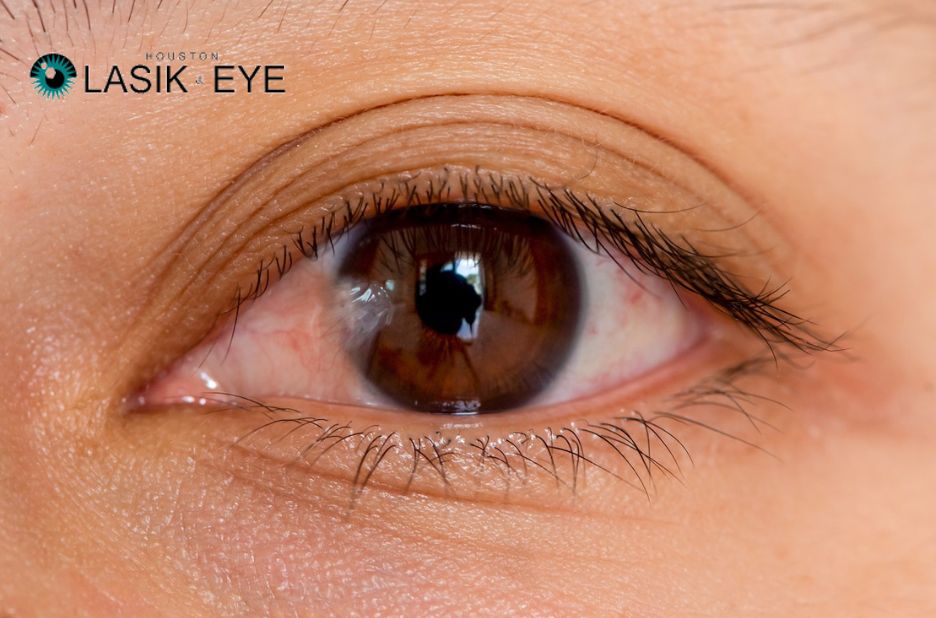
Understanding the Condition
A pterygium is a benign growth of the conjunctiva that extends onto the cornea, often caused by prolonged exposure to ultraviolet light, wind, or dust. It can lead to discomfort, redness, Remove pterygium and in some cases, vision impairment if left untreated. Understanding the nature of this eye condition is crucial for seeking appropriate treatment and ensuring optimal eye health.
Symptoms and Diagnosis
Individuals with a pterygium may experience symptoms such as eye irritation, dryness, redness, and a visible raised growth on the white part of the eye extending toward the cornea. Diagnosis typically involves a Pterygium Surgery Recovery comprehensive eye examination by an eye care specialist, who will assess the size, location, and impact of the growth on vision to determine the best course of action.
Non-Surgical Treatment Options
For mild cases, conservative treatments such as lubricating eye drops, anti-inflammatory medications, and protective measures like wearing sunglasses to block UV rays may help alleviate symptoms. However, these methods do not eliminate the growth and are primarily aimed at managing discomfort and preventing progression.
When Surgery Becomes Necessary
Surgical removal is often recommended when the pterygium causes significant discomfort, affects vision, or continues to grow. The procedure involves excising the growth and may include grafting techniques to minimize the risk of recurrence. A qualified ophthalmologist will evaluate the condition to determine if surgery is the most appropriate treatment.
Preparing for the Procedure
Before undergoing surgery, patients should follow their doctor’s instructions, which may include discontinuing certain medications and arranging for transportation post-procedure. Understanding the steps involved and setting realistic expectations can help ease anxiety and contribute to a smoother surgical experience.
Recovery Process and Care
Pterygium surgery recovery typically involves managing mild discomfort, redness, and sensitivity in the days following the procedure. Patients are usually prescribed antibiotic and anti-inflammatory eye drops to support healing and prevent infection. It is important to avoid rubbing the eyes and protect them from irritants during this period.
Long-Term Management and Prevention
Even after successful removal, there is a possibility of recurrence. To reduce this risk, patients are advised to protect their eyes from UV exposure by wearing high-quality sunglasses and hats outdoors. Regular follow-up visits with an eye specialist can help monitor eye health and address any concerns promptly.
Conclusion
Living with a pterygium can be challenging, but modern treatments offer effective solutions to restore comfort and vision. At Pterygiumhouston.com, we understand how difficult it can be to live with a pterygium. Our unique approach to care and advanced treatments can help you remove pterygium and get back to living life to the fullest. For those considering treatment, ouston Lasik & Eye provides expert care and personalized options to support your eye health journey.